Carpet Cleaning in EC1

Carpet Cleaning EC1 provides professional carpet cleaning in EC1 for homes, shared properties and workplaces that need careful, fabric-aware treatment rather than a quick surface refresh. Our service is built around practical stain removal, soil extraction and fibre care, with the work adapted to the carpet type, pile condition and level of use. We also clean rugs, upholstery and other soft furnishings where a broader interior clean is needed, so the approach can be coordinated instead of handled piecemeal.
Good carpet care is rarely just about appearance. Embedded grit can make fibres look flat, held-in spills can leave marks, and repeated foot traffic can create dull paths through otherwise sound flooring. We focus on the condition of the fabric as well as the visible finish, using a method chosen for the material and the soiling present. If you are comparing options or planning a larger clean, you can use our pricing and quotes page as a starting point, then decide what scope best suits the rooms, access and level of wear.
In practice, that means we look at the carpet first, identify likely problem areas, and then select a cleaning method that supports both hygiene and the appearance you want to restore. Where suitable, we can combine carpet work with other services such as rug cleaning or sofa cleaning, especially when you want a consistent standard across multiple textile surfaces. Please get in touch to request a quotation.
How our carpet cleaning service is carried out
Every job begins with a straightforward assessment of the floor covering, because not every carpet responds well to the same treatment. Fibre content, weave, backing and previous cleaning history all matter, particularly where there are natural fibres, older fitted carpets or items with delicate construction. A careful inspection helps determine whether the clean should prioritise stain lifting, general maintenance, deodorising or a deeper restoration-style approach. This is also where we look for spots that may need extra pre-treatment before the main clean begins.
For occupied homes and working premises, the aim is to keep the process orderly and efficient without rushing the fabric. We plan the work so the cleaner sections do not interfere with the drier route out of the room, and we avoid over-wetting where a carpet needs a more controlled finish. If a room contains mixed furnishings, we can also coordinate related tasks through upholstery cleaning so the cleaning standard feels consistent across the space. Ask for a quotation when you are ready to compare the likely scope.
The practical benefit of a methodical clean is that it gives dirt, residues and marks a better chance of release without unnecessary wear to the pile. That matters for carpets that still have good structure but look tired because of traffic lanes, drink marks or general domestic dust. A sensible clean also helps avoid the common mistake of treating every visible mark in the same way, when some areas need spot attention and others need a fuller pass through the room.
Deep cleaning for heavier soil and stubborn marks
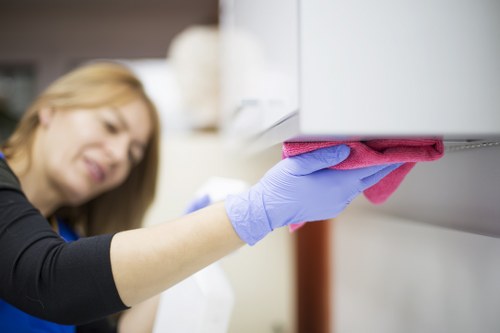
Some carpets only need routine maintenance, but others are better served by a deeper clean that deals with compacted dirt and more persistent staining. This is often the right option where a carpet has seen several seasons of use, has picked up edge darkening, or has marks from frequent spillages. A deeper process can also help improve the overall uniformity of the finish, because it works across the room rather than only addressing the most obvious blemishes.
When deeper treatment is sensible, pre-treatment becomes especially important. Targeted attention to spots, tracked-in soil and traffic lines improves the chance of lifting residues during the main stage of the work. We then look at the whole carpet as a surface rather than a series of isolated marks, so the final result feels more even. If you are planning a broader refresh, deep cleaning can be a useful companion to carpet work where several interior surfaces need attention at once.
Not every stain can be removed completely, and it is better to be clear about that than to promise unrealistic results. Age, prior cleaning attempts, dye transfer and fibre damage can all affect outcomes. Even so, a proper deep clean can still improve appearance, reduce dullness and make regular upkeep easier afterwards. If you want a straightforward estimate based on the rooms and condition involved, please request a quotation.
Domestic carpets and everyday household use
Domestic carpet cleaning usually centres on making lived-in rooms feel fresher without turning the house upside down. Hallways, lounges, bedrooms and stairs all collect different kinds of soil, so the cleaning plan has to reflect the way each area is used. Family homes often have a mix of light dust, food marks, pet-related spots and flattened fibres along walking routes, which means the work has to be both careful and practical. A tailored clean can improve the general feel of the room while respecting the carpet’s construction.
For household jobs, a common approach is to pair carpet cleaning with another interior task where that makes sense. For example, many customers choose to combine fitted carpets with domestic cleaning when they want a more thorough reset of the main rooms, or with one-off cleaning when the property needs a single, fuller visit rather than an ongoing arrangement. Those choices are about convenience and coverage, not pressure; the useful point is matching the service to the state of the home.
A sensible domestic clean should leave the carpet looking cared for rather than overly treated. That usually means balancing stain work with overall extraction or rinsing, depending on the method selected for the fibre and the condition of the pile. We keep the emphasis on the finished surface and the everyday use of the room, so the result works for actual living rather than only for a brief visual inspection.
Commercial carpets for offices and shared workplaces

Carpet cleaning in offices and other shared business spaces calls for a slightly different mindset, because the room has to remain functional while the clean is carried out. Entrance areas, corridors and meeting rooms tend to show traffic patterns quickly, and they can also collect fine grit that dulls the pile. A practical commercial clean focuses on appearance, hygiene and the longer-term condition of the flooring, while taking account of access, occupancy and the layout of the premises.
Where a business wants support with broader cleaning tasks, we can align carpet work with office cleaning or office cleaners depending on the scale of the space and the type of help needed. That can be useful in premises where soft flooring is only one part of the cleaning plan, particularly if the goal is to improve first impressions in reception areas or keep communal rooms presentable between more detailed visits. Contact us if you would like a quotation based on your rooms and schedule.
Commercial carpet work often benefits from a targeted approach to the busiest zones. Edges, thresholds and the centre line of a corridor may need more attention than storage corners or low-use rooms, and that difference should be recognised in the cleaning plan. It is also sensible to think about dry time and access routes, because a well-managed clean is not just effective, it is easier for people to work around afterwards.
Rugs, upholstery and other textile surfaces
Some customers need more than fitted carpet cleaning because the same dust, spills and everyday wear affect rugs, chairs and sofas too. When that is the case, it is usually better to treat the textile surfaces as a group and choose the right method for each item. Loose rugs can need gentler handling than fixed flooring, while upholstery may require more controlled moisture and different stain treatment so the fabric is not disturbed unnecessarily. The aim is always to clean thoroughly while preserving the structure of the material.
Where a property has several textile surfaces in one room, it can make sense to plan the work together rather than in separate visits. That is why our service range includes rug cleaning and upholstery cleaning, as well as carpet care. Combining them can help keep the room consistent in both appearance and freshness, especially if one surface has picked up dust or marks that stand out against the others. Please get in touch when you are ready to request a quotation.
These related services are useful when a simple floor clean would leave the rest of the room looking unfinished. They also give you more flexibility when deciding what deserves priority: sometimes the best result comes from cleaning the most visibly affected textiles first, then deciding whether to add the remaining items later. That approach keeps the work focused and avoids paying for treatment you do not need.
Stains, odours and fibre care
Many customers ask for help because a carpet has a visible stain, but the more useful question is what caused the stain and how long it has been in place. Fresh spills, food spots, mud and general wear each respond differently, and some marks can be improved substantially even when complete removal is not guaranteed. Odours may also be trapped in the pile, especially where spills were not fully dealt with at the time or where a room has limited ventilation.
A careful carpet clean takes these issues seriously without making exaggerated promises. We can treat marked areas, work on dullness caused by accumulated soil, and choose the process most likely to suit the carpet fibre. The same logic applies when a property needs after builders cleaning as part of a wider refresh, because fine dust and residue can settle into floor coverings and make them look older than they are. If you want to discuss likely outcomes, ask for a quotation and describe the main concerns.
Good fibre care is about avoiding unnecessary damage while still dealing firmly with the dirt that belongs outside the pile. That means no heavy-handed treatment, no assumptions that every stain behaves the same way, and no shortcuts that leave residue behind. The end result should be cleaner, brighter flooring that still feels appropriate to the material beneath it.
About EC1

EC1 is a central London postcode district that includes parts of Islington and the City fringes, with a character shaped by long settlement, later commercial development and dense layers of urban architecture. Clerkenwell is closely associated with the area, and the district has a reputation for former workshops, warehouses and converted buildings alongside newer offices and residential schemes. The street pattern reflects centuries of change, with narrow lanes, larger thoroughfares and pockets of redevelopment sitting side by side. This mix gives EC1 a varied built environment rather than a single uniform centre.
The area includes well-known landmarks and institutions that help define its identity. Exmouth Market is a major local street known for its food and independent atmosphere, while Smithfield remains one of London’s historic market locations and a place strongly connected with the city’s trading history. The Postal Museum, the Museum of the Order of St John and the Charterhouse are among the cultural and historic points of interest in and around the district, showing how religious, charitable, civic and commercial history overlap here. Much of EC1 also sits within easy reach of Farringdon, Barbican and King’s Cross connections, which reinforces its busy, interlinked feel.
Green spaces are limited compared with outer districts, but the area still has important places to pause and move between streets. Spa Fields provides a local open space with a long social history, while the wider Clerkenwell and Barbican surroundings include courtyards, squares and remnants of older street layouts. The architecture ranges from Georgian terraces and industrial conversions to post-war and contemporary buildings, so the district rewards close looking. That layered quality is part of what makes EC1 distinct: it is not a single landmark destination, but a compact urban area shaped by commerce, living, heritage and continual reinvention.
Choosing the right level of carpet care

Not every carpet needs the same amount of work, and one of the most useful decisions is deciding how far to go. A lightly marked bedroom carpet may only need a maintenance clean, while a reception room, corridor or family living space may benefit from deeper treatment. The right choice depends on traffic, visible soiling, the carpet’s age and whether there are isolated marks or broader dullness across the whole surface. Matching the method to the condition helps avoid unnecessary disruption and unnecessary cost.
There are a few practical factors that often shape the quotation. Room size, furniture movement, access, fibre type and the level of staining can all affect the amount of work involved. If you are planning cleaning for several rooms, it can also help to list what is fitted carpet and what is a loose textile item, because each may need a slightly different approach. When you are ready, you can explore our contact us page or simply ask for a quotation in the way that suits you best.
If you want the simplest route, start with the rooms that matter most and identify the surfaces that need attention first. That gives us a clearer picture of the scope and helps you decide whether to add rugs, upholstery or another related service. Request a quotation today and we will help you plan the work in a way that suits your property and the carpet’s condition.
What to prepare before booking
A useful enquiry is usually a clear one. It helps to know how many rooms need attention, whether the carpet is fitted or loose, and whether there are stains, pet areas or odours that should be mentioned at the outset. Photographs can be helpful for marking up the most obvious spots, but they are not essential if you can describe the rooms accurately. The point is to give enough detail for a sensible quotation without overcomplicating the first conversation.
Access matters as well. If a property has stairs, limited parking, restricted entry times or a shared entrance, those details help shape the plan for the visit. That is especially important where carpet cleaning is only one part of a wider schedule, such as a property refresh or a combined interior clean. A clear outline of the space helps avoid confusion later and makes it easier to compare options on a like-for-like basis.
Once those basics are clear, the rest of the process can be straightforward. You do not need to make the rooms perfect before asking for a quotation, and you do not need to guess the exact method in advance. The useful step is simply to explain what needs cleaning, where it is located and what matters most to you, then let the service be matched to that information.